How to Trade In a Car in 2026: Get Top Dollar
Real trade-in values, payoff timing, equity math, and how to avoid losing money to dealer trade-in tricks. A complete 2026 buyer's guide.

The trade-in is the most negotiated number on any new-car deal, and the one most buyers leave the most money on the table over. A $2,000 swing in trade-in value costs you the equivalent of negotiating $2,000 off the price of the new car, except the dealer is much more willing to give it. The reason most buyers don't capture that value: they walk in without knowing what the car is worth, and they let the dealer roll trade, price, and financing into one big payment conversation.
Here's how to do it right in 2026.
Step one: know your real number
Before you walk into any dealership, get three independent valuations of your current car. Use all three.
- KBB Instant Cash Offer. Free. Gives you a 7-day binding cash offer at any participating dealer (Carvana, CarMax-style). Walk in with this and you have leverage even if you trade somewhere else.
- Carvana, Vroom, or CarMax online appraisal. Each one will give you a number sight-unseen, valid 7 days. CarMax in particular will honor their offer for any seller with a clean title.
- Edmunds True Market Value (TMV) trade-in price. This is the wholesale number a dealer will likely actually offer. It will be lower than the three above. Knowing it tells you the dealer's floor.
You should now have three numbers. The two retailer offers (KBB ICO + Carvana/CarMax) tell you what an independent buyer will pay you. The Edmunds wholesale TMV tells you what the dealer's actual trade math looks like.
The trade-in value at a new-car dealer should land between the wholesale and retail-cash numbers. If they offer below the wholesale number, walk away from the trade and sell to Carvana or CarMax instead.
Step two: prepare the car
Spending $200 to $300 on the right things before trade-in pays back class="relative z-10",000 to class="relative z-10",500. The wrong things waste money.
Worth doing:
- Professional detail (interior + exterior, class="relative z-10"50 to $250). Dealers price trades on first impression.
- Replace any obvious damaged trim ($50 to class="relative z-10"00 each piece).
- Get a basic touch-up on visible curb-rashed wheels ($75 to class="relative z-10"50).
- Replace burned-out bulbs and broken floor mats.
- Print the most recent oil change and any major service receipts. Hand them over with the keys.
Not worth doing:
- New tires unless yours are at the wear bars. Dealers price replacement tires at wholesale, you'd buy them at retail.
- Major dent repair. Dealers buy at wholesale anyway.
- Aftermarket parts removal unless it's already off the car. Stock parts can add value if you have them in the garage.
- Fixing minor mechanical issues a dealer will detect anyway and charge you wholesale to fix.
Step three: time it right
Trade-in values fluctuate. Three timing rules:
- Trade in spring, not winter. Used-car retail demand peaks in March, April, May, and slows in November, December. Wholesale trade values follow.
- Don't trade right after a recall on your model. A model with an open recall (like the Ford 26C10) loses 5 to 10% of its trade value until the recall is closed. Get the recall done at the dealer first, then trade.
- Mileage matters more at round numbers. A car with 79,500 miles trades for meaningfully more than a car with 80,500 miles. Same with 99,500 vs 100,500. Get the appraisal before you cross the next round number.
Step four: the conversation
When you sit down with the dealer, follow this order. Don't let them rearrange it.
- Negotiate the new-car price first. Pin down the out-the-door price on the new vehicle excluding trade.
- Then introduce the trade. Hand them the keys and ask for an appraisal. Don't tell them what you think it's worth. Don't show them your competing offers yet.
- Wait for their number. Most dealer appraisals come back 15 to 25% below the retail value of your three independent quotes. That's the wholesale-vs-retail spread.
- Now show your competing offers. "CarMax is offering $24,000 for it. Can you match or beat that?" If they can, take their number. If they can't, sell to CarMax and bring the cash.
- Run the tax math. This matters in most US states. If you trade in a $24,000 car against a $40,000 new car, you only pay sales tax on the class="relative z-10"6,000 difference in many states. That's a real class="relative z-10",000 to class="relative z-10",800 of savings vs selling to a third party. Check your state's rule before you decide.
The tax savings on the trade-in often closes the gap between the wholesale dealer offer and the retail Carvana offer. In states with sales tax (most of them), trading in is frequently the cheapest path even at a lower nominal value.
Step five: handle the loan payoff carefully
If you still owe money on the car, this is where deals go sideways.
There are three scenarios:
Positive equity (car is worth more than you owe). The dealer pays off your loan and credits the difference toward the new car. Make sure the math on the buyer's order shows your payoff amount being deducted from the trade value, not added to your new-car loan.
Even (car is worth what you owe). The trade is essentially a wash. The dealer pays off the loan and you start fresh.
Negative equity (you owe more than the car is worth, the most common scenario in 2026). This is where most buyers lose money. The dealer will offer to "roll" the negative equity into your new-car loan. They'll do it by either:
- Reducing the trade-in value below market and adding the difference to the new-car price, or
- Quoting an inflated trade-in value but using a higher financing rate
If you're underwater, the right move is usually to wait until you have positive equity. If you can't wait, accept that you're paying for it somehow and read the contract carefully.
Step six: don't give up the car too early
Some buyers hand over the keys to their trade before the new-car contract is fully signed and the loan is funded. Don't. The dealer can suddenly "discover" issues with the trade and reduce your offer, or quietly modify the contract terms after you've already mentally moved on.
The right sequence:
- Test drive the new car
- Negotiate the new-car price
- Get the trade appraised
- Agree on all numbers in writing on the buyer's order
- Get pre-approved financing locked in (or accept the dealer's matched offer)
- Sign the final contract
- Hand over the keys
Anytime someone asks for the trade keys before step 6, say no. They can appraise the car without taking possession.
Three traps to watch
Trap one: "We'll give you $5,000 over book." They might. They might also hide the markup elsewhere (price, financing, add-ons). Negotiate the new-car price and the trade independently. Don't fall for the headline number.
Trap two: "Your trade has bigger problems than we thought." This usually happens after you've signed on the new car but before delivery. Don't accept post-sale renegotiation. The deal is the deal.
Trap three: "We need a few hundred for reconditioning." They don't. Reconditioning is wholesale work the dealer does at cost; it's already baked into the trade offer. Decline any post-appraisal "reconditioning fee."
The cleanest path to top trade-in dollar: get three independent valuations, prep the car for $200 to $300 of useful work, time it right, negotiate price first then introduce trade, and watch the loan payoff math. An afternoon of prep beats $2,000 of avoidable trade-in losses.
Related articles
How to Buy a Used EV in 2026: Battery, Warranty, Pricing
Used EV prices are down. Here's how to check battery health, transfer the warranty, and avoid the three traps that catch first-time used-EV buyers.

How to Finance a New Car in 2026: APR, Terms, Tricks
What APR you actually qualify for, why dealers mark up rates, how to negotiate financing, and the four financing traps to avoid in 2026.
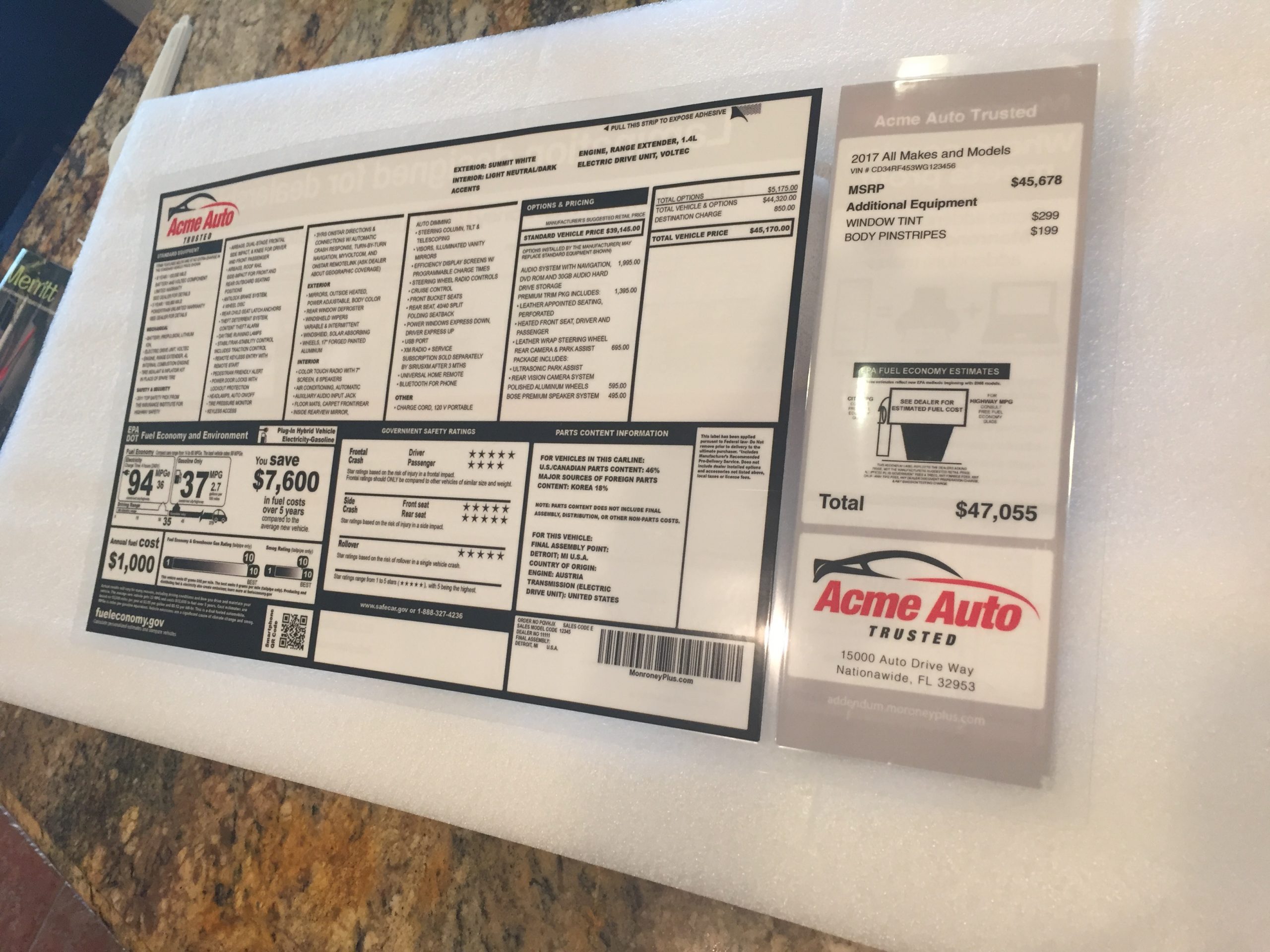
How to Read a New-Car Window Sticker in 2026
A line-by-line guide to the Monroney label. What every number means, where dealers add markup, and how to use the sticker as your negotiation tool.