How to Buy a Used EV in 2026: Battery, Warranty, Pricing
Used EV prices are down. Here's how to check battery health, transfer the warranty, and avoid the three traps that catch first-time used-EV buyers.
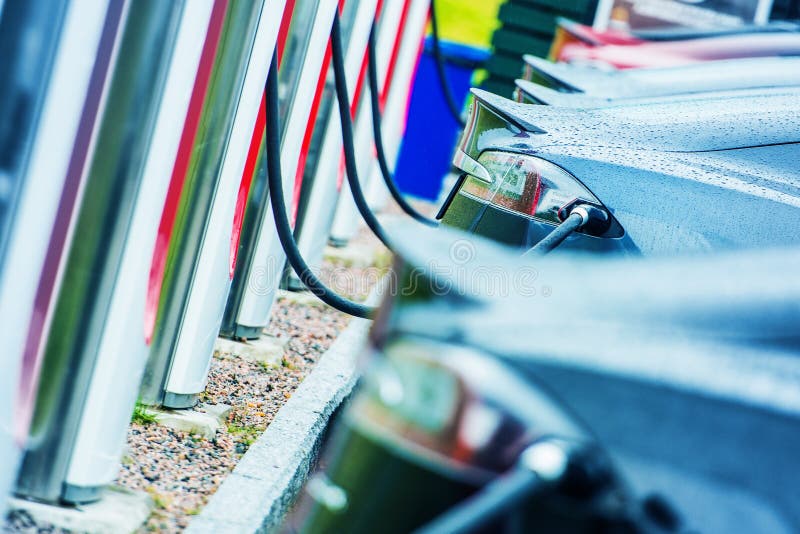
Used EVs are one of the few real bargains in the 2026 car market. Lease returns from 2022 and 2023 are landing on dealer lots in volume, the federal tax credit on used EVs is gone, and prices have softened well past what the lost $4,000 credit was worth. A 2023 Tesla Model 3 Long Range that stickered above $50,000 new is now showing up under $25,000 with under 35,000 miles. A 2022 Ford Mustang Mach-E Premium can be had for $24,000 to $28,000 depending on trim. The 2022 Hyundai IONIQ 5 SEL, one of the best EVs of its generation, sits in the same range.
That doesn't mean every used EV is a good deal. The single most important thing you can check, and the one most first-time buyers skip, is the battery.
1. Run a battery health check before you sign
Every modern EV stores a state-of-health (SOH) value in its battery management system. SOH is the ratio of current usable capacity to original factory capacity. A car at 100% SOH has its full original range. A car at 88% SOH has lost 12% of its range, permanently. SOH never goes back up.
Generally healthy thresholds for a 3-year-old EV:
- 94% or higher is excellent. The pack has been treated well.
- 88 to 93% is normal. Average degradation, no concern.
- Below 85% is a yellow flag. Ask why. Heavy DC fast-charging use, hot-climate ownership, or a single bad cell module can pull SOH down faster than average.
- Below 80% on a sub-50,000-mile car is a red flag. Walk unless the price discount makes the math work.
How to read SOH varies by brand. Tesla shows estimated range in the driver display and a degradation calculator in Service Mode. Ford and Hyundai both expose SOH through OBD-II readers ($30 hardware plus a $20 app like Car Scanner or LeafSpy Pro). Most reputable EV-focused dealers will pull a battery report on request. If the dealer refuses, that tells you what you need to know.
2. Confirm the warranty transfers
Federal law requires every EV battery sold in the US to carry an 8-year/100,000-mile minimum warranty. Most automakers exceed it, and most warranties transfer to subsequent owners with no fee. But the details matter.
| Brand | Battery warranty | Transfers to next owner |
|---|---|---|
| Tesla | 8 yr / 100K–150K mi | Yes |
| Ford | 8 yr / 100K mi | Yes |
| Hyundai / Kia | 10 yr / 100K mi | Originally lifetime, now 10/100 on transfer |
| GM | 8 yr / 100K mi | Yes |
| Volkswagen / Audi | 8 yr / 100K mi | Yes |
| Rivian | 8 yr / 175K mi | Yes |
Get the warranty status in writing before you pay. Some pre-2023 IONIQ 5s and EV6s lost their original lifetime coverage when Hyundai updated terms in 2023. The car's CARFAX or Kia Owner Portal will show what's actually in force.
3. Don't overpay for the wrong charging story
Two used EVs at the same price aren't necessarily equal. The bigger battery doesn't always win.
- Charging port matters. Vehicles with NACS (Tesla's port) or that ship with a free Tesla Supercharger adapter have a real-world advantage in 2026 now that GM, Ford, Hyundai, and Rivian all use the network. Cars stuck on legacy CCS-only without an adapter cost more in road-trip stress.
- Onboard charger speed. A 2022 Mach-E with the standard 11-kW onboard charger fully recharges from 10 to 80% on a Level 2 in about 7 hours. The original 7.2-kW first-year cars take closer to 11 hours. Same model, very different home-charging experience.
- Heat pump or no heat pump. EVs sold with a heat pump (most 2022+ Teslas, all IONIQ 5s, all EV6s) lose 15 to 20% less range in cold weather. If you live above the 40th parallel, this is worth real money.
4. Three traps that catch first-time used-EV buyers
Trap one: out-of-warranty 12-volt battery. Almost every EV on the road still has a small 12-volt accessory battery for the computers and locks. They die at 4 to 6 years just like ICE 12-volts do, and the failure mode on an EV is dramatic, the car simply won't power on. Budget $250 for a replacement on any EV older than four years.
Trap two: salvage-titled batteries. Some used EVs on the market, especially budget Model 3s under $20,000, have had the pack swapped after collision damage with a non-OEM replacement. The replacement may not have an active warranty. Ask for VIN-matched battery records.
Trap three: missing the home-charging cost. A Level 2 charger and installation runs class="relative z-10",500 to $3,500 in 2026. Section 30C still covers 30% of that through June 30, 2026, but only in eligible census tracts. Check the IRS locator before you assume the credit applies to your address.
A 3-year-old EV at 92% SOH, with a transferable warranty, NACS-compatible charging, and a clear collision history is one of the best-value cars on the US market in 2026. Just verify the four things above before you sign.
Related articles

How to Finance a New Car in 2026: APR, Terms, Tricks
What APR you actually qualify for, why dealers mark up rates, how to negotiate financing, and the four financing traps to avoid in 2026.
How to Read a New-Car Window Sticker in 2026
A line-by-line guide to the Monroney label. What every number means, where dealers add markup, and how to use the sticker as your negotiation tool.

How to Trade In a Car in 2026: Get Top Dollar
Real trade-in values, payoff timing, equity math, and how to avoid losing money to dealer trade-in tricks. A complete 2026 buyer's guide.